

The global price of oil began to decrease following the initial round of negotiations between the United States and Iran in Switzerland. The market is reacting to signals of potential sanction relief and the return of Iranian oil to the market. Investors are re-evaluating their expectations regarding the supply and demand balance.
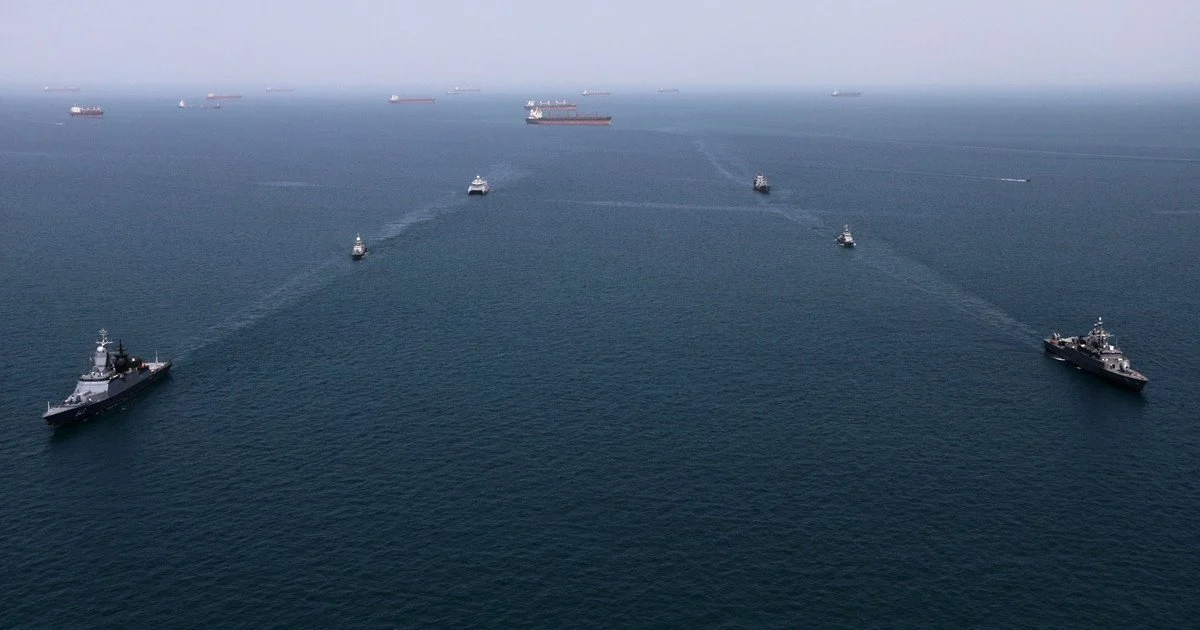
Oil prices began to decline / © Associated Press
Oil prices started to decline after the initial phase of US-Iran negotiations, which took place yesterday in Switzerland. On June 22, oil prices began to drop amidst diplomatic progress between the United States and Iran.
This is reported by Reuters.
Oil prices started to decrease following US-Iran talks
On Monday, June 22, a fall in oil prices was recorded on global markets. The catalyst for this was the conclusion of the first round of talks between the US and Iran in Switzerland. Tehran’s statements regarding exemptions for raw material exports significantly eased investor concerns.
In light of the news from the negotiation platforms, key oil benchmarks showed a noticeable depreciation. Brent crude futures dropped by $1.68, and the price of American West Texas Intermediate crude decreased by 60 cents.
“The decline was primarily driven by improved prospects for a diplomatic breakthrough between the United States and Iran… a resurgence of hopes that sanctions against Iran might eventually be eased,” stated Sugandha Sachdeva, founder of the SS WealthStreet research firm in New Delhi.
Following the meeting in Switzerland, Iran’s Foreign Minister Abbas Araghchi announced that Tehran had secured concessions for the export of its oil and petrochemical products.
The parties are also discussing the unfreezing of some of the country’s assets and the initiation of an reconstruction and development plan for Iran. Such a development would allow nearly 1.5 million barrels of Iranian crude oil per day to re-enter international markets.
According to a memorandum signed by the US and Iran, Washington and Tehran committed to immediately halt all military operations, including combat activities in Lebanon, and to refrain from the use of military force or mutual threats.
However, at the same time that US Vice President Jay DeVon Vance was conducting negotiations with the Iranian delegation, US President Donald Trump continued to threaten Iran. As a consequence, the Iranian delegation was unwilling to participate in an official handshake and joint photo session with the US delegation.
Will fuel prices drop due to cheaper oil?
As a reminder, a global decrease in oil prices will not lead to cheaper gasoline and diesel at Ukrainian gas stations in the near future.
Financial analyst and economist Oleksiy Kushch stated that fuel companies are currently compensating for losses incurred during the previous price increases, and they are doing so at the expense of the current excessively high prices.
In addition to the networks’ desire to turn a profit, several internal factors are hindering the return of prices to pre-crisis levels. The expert highlights the devaluation of the hryvnia as one of the main reasons, given that all fuel is imported, along with military risks and general market uncertainty.
Due to the necessity for businesses to factor in a larger margin to cover losses, fuel prices are expected to remain at elevated levels for quite some time.
Comments Sort: New Old Popular Send