

This could be a step towards recreating extinct species.
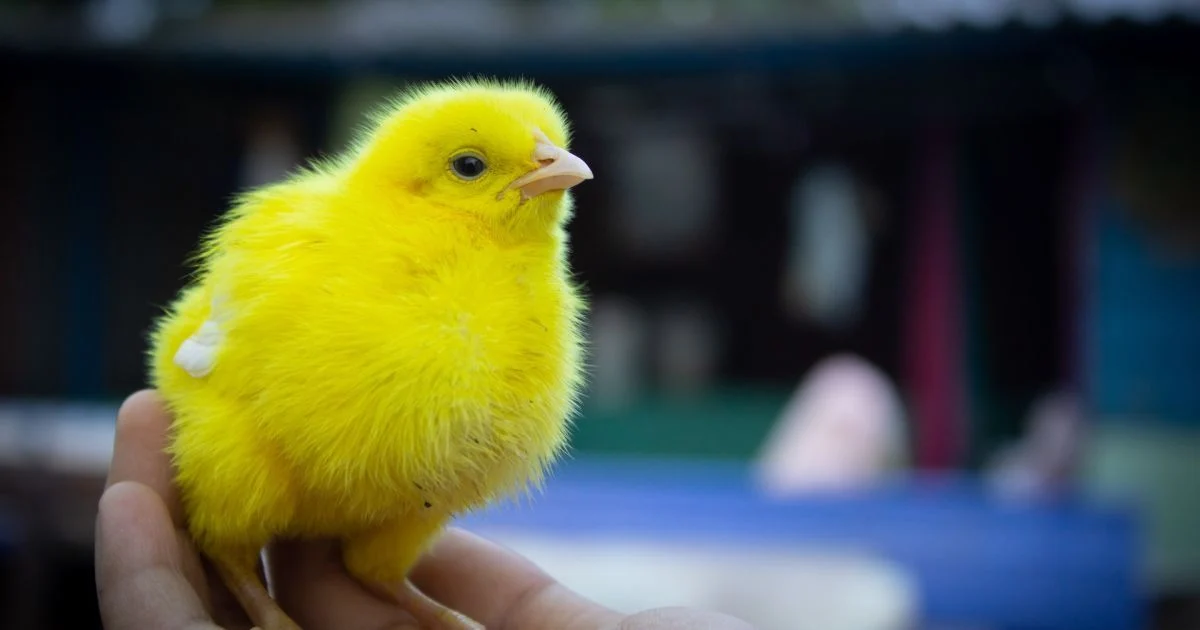
Chick / © Pexels
In the USA, the biotechnology company Colossal Biosciences has announced a breakthrough in bird reproduction: they have successfully obtained chicks from completely artificial eggs created using 3D printing.
Oddity Central reports on this.
The Dallas-based company positions itself as an organization working on the restoration of extinct species. Among its ambitions is the potential reanimation of animals such as the South Island giant moa, which once lived in New Zealand and became extinct in the 14th century.
According to the developers, the artificial egg resembles a small, 3D-printed container within which a chicken embryo can develop until hatching.
The key innovation is a special silicone membrane inside the structure. It allows for oxygen penetration, mimicking the natural incubation conditions of a regular egg.
During trials, scientists carefully transferred the contents of a biological egg into the artificial system, leaving a small “window” for observing embryo development. The company claims the technology has already enabled the production of viable chicks.
Colossal Biosciences states that the system is scalable and could be used in the future to recreate extinct bird species, including the massive moa, which could reach about three meters in height.
However, scientists caution that the actual “resurrection” of such species is still a long way off. This would require restoring the genetic code from ancient DNA samples and making thousands of modifications to the genome of modern birds.
The concept of artificial incubation systems is not entirely new. As early as 1998, Japanese researchers successfully hatched quail chicks using similar technologies, and subsequent experiments confirmed the feasibility of this approach, although they required additional oxygen supply and sometimes led to complications in embryo development.
Scientist Paul Mozdyak noted that the technology could have great potential, but its real impact can only be assessed after extensive research.
Recall that scientists have revealed how the Greenland shark deceives aging and can live for 400 years.
Comments Sort by: New Old Popular Submit