

A military operation by the United States amidst an escalating conflict with Iran has already cost the American budget approximately 40 billion dollars, making it one of the most expensive short-term campaigns by the United States Department of Defense in recent years.
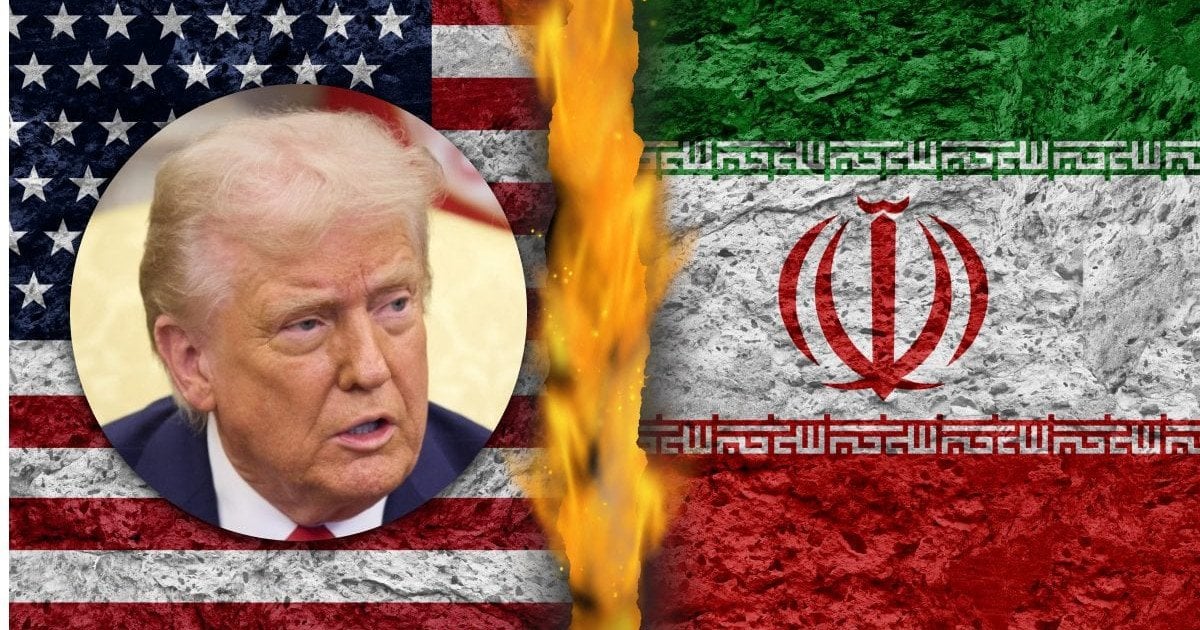
USA and Iran / © depositphotos.com
The military campaign by the United States, related to the escalation of the conflict surrounding Iran, has already cost the American budget around 40 billion dollars. This preliminary assessment was released by the CNN television channel, citing sources in the US defense sector.
According to journalists, a significant portion of the United States Department of Defense (Pentagon) expenses was allocated to the large-scale transfer of military equipment to the Middle East, deployment of additional aircraft carrier groups, precision strikes, operation of air defense systems, and provision for military bases in the region.
The report indicates that the operation turned out to be one of the most costly short-term military campaigns for the US in recent years. Part of the expenses was caused by the increased American presence in the Persian Gulf following the heightened tensions surrounding Iran’s nuclear program and attacks by groups allied with Iran in the region.
Experts interviewed by CNN emphasize that if the conflict drags on or the United States is forced to expand the military operation, the total costs could multiply in the coming months.
Meanwhile, discussions are growing louder in Washington about the justification of such expenses against the backdrop of internal economic problems and political tensions on the eve of a new election campaign.
Peace Agreements
Recently, the United States and Iran officially announced the achievement of a peace agreement, which was planned to be signed on June 19 in Geneva with the mediation of Pakistan. Immediately after these successful diplomatic steps, Donald Trump announced the immediate lifting of the American blockade and the opening of transit through the Strait of Hormuz.
For their part, the leaders of the G7 countries publicly expressed their readiness to support Washington’s plan for rapid demining and the restoration of safe navigation in this region. However, European allies stressed the need to obtain reliable long-term guarantees from Tehran before sending their warships there.
Despite loud statements about a historic reconciliation between the US and Iran, the leadership of Israel refused to comply with these decisions, emphasizing its status as an independent state. Israeli officials made it clear that the American agreement was not binding for them and would not stop their military operations.
International experts noted that the normalization of trade flows and the return to pre-war shipping volumes would in any case require at least several weeks of coordinated work. At the same time, this Middle Eastern agreement should allow the Trump administration to focus more on military aid and negotiation processes regarding Ukraine.
Recall that on the eve, June 18, the United States of America lifted restrictions on maritime traffic to Iranian ports and coastal areas. The relevant decision was made by order of US President Donald Trump.
Comments Sort: New Old Popular Send