

Donald Trump’s unexpected decisions regarding the reduction of the American military presence have shocked European leaders. Realizing the risk of being left alone with the Russian threat, European countries have begun to secretly develop a secret “Plan B” that will allow them to act bypassing NATO.
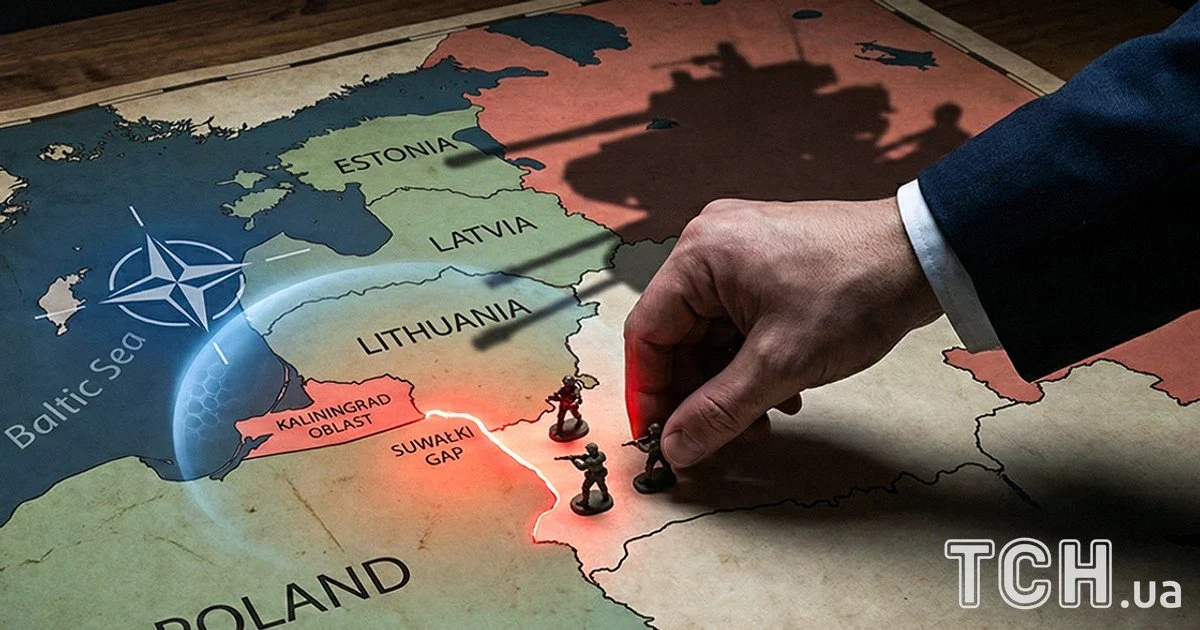
NATO countries are preparing for a possible US withdrawal from the Alliance
At the beginning of May, 4,000 American soldiers of the Black Jack armored brigade in Texas were preparing for redeployment to Poland to strengthen NATO’s defense against the Russian threat. However, in less than two weeks, Washington sent the opposite signal: the deployment was canceled.
The Economist writes about why such actions by US President Donald Trump caused real panic among European allies and forced them to prepare secret defense plans.
Fear of NATO Blocking
The cancellation of troop deployment to Poland is the second reduction in US military presence in Europe in the last month; previously, the Trump administration announced the withdrawal of 5,000 troops from Germany. As the publication notes, the rapid reduction of the contingent destroyed the hopes of Europeans that they would have time to build up their own forces and replace critically important American intelligence and surveillance assets.
However, the biggest fear lies elsewhere. Some NATO members fear that America, under Trump, might not only stand aside in the event of a war with Russia but also actively block the response of other member countries.
Because of this, some European armed forces are developing secret plans for conducting combat operations not only without US assistance but also without a significant part of NATO’s command infrastructure. According to insiders, NATO Secretary General Mark Rutte has literally forbidden public discussion of this, believing it “could add fuel to the fire,” but behind closed doors, European capitals are actively seeking alternatives.
How “Plan B” Will Work
Most military coalitions resemble a school ensemble rehearsal, where everyone plays as best they can. NATO, on the contrary, was created as a symphony orchestra led by a single conductor – the American general (SACEUR). Without US leadership, experts warn, this deterrence mechanism risks falling apart.
Therefore, the European “Plan B” requires the creation of a new military structure. It is expected that its core, at least in Northern Europe, will be a coalition of the Baltic states, Northern Europe, and Poland – countries united by common values and a direct fear of Russian aggression. According to analysts’ estimates, in the event of a conflict, about a third of NATO members will engage in combat on the first day, without waiting for lengthy political discussions.
British Alternative and “Downton Abbey Syndrome”
One of the most realistic alternatives to NATO’s command structure today is the Joint Expeditionary Force (JEF) led by Great Britain, which includes ten countries (mostly Scandinavian and Baltic).
The main advantage of the JEF is that this alliance can respond to threats without mandatory consensus, which allows it to bypass NATO’s weak point (where any member can block the application of Article 5). The JEF already has its own headquarters, intelligence capabilities, and secure communication networks independent of American infrastructure, and London’s participation ensures a certain level of nuclear deterrence.
However, this alternative also has weaknesses: major players like France, Germany, and Poland are not part of the JEF. Furthermore, among the allies, there are serious concerns about the military readiness of Great Britain itself due to years of underfunding of the army and navy.
“England is everyone’s favorite uncle. But she suffers from Downton Abbey syndrome. She maintains a good facade and pretends everything is fine, but in reality, she doesn’t have the money for it,” the publication quotes one of the European officials.
The situation could be saved by involving Germany in the JEF, which is now rapidly increasing its defense budget. In any case, Europe is forced to seek its own framework for common defense, because, as the publication summarizes, “deterrence based on an ally who may not show up on the battlefield is no deterrence at all.”
Recall that Russia has granted the head of the Kremlin the right to send the army abroad if any Russian is detained there. The ISW believes that this decree indicates Putin’s preparation for a new invasion, and not only the Baltics are under threat.
Comments Sort by: New Old Popular Send